Connect the Dots · November 1, 2026 · 4 min read
What an AI model actually is, in plain words
An AI model writes one likely next piece of text at a time. Knowing that one fact changes how you use every AI app.
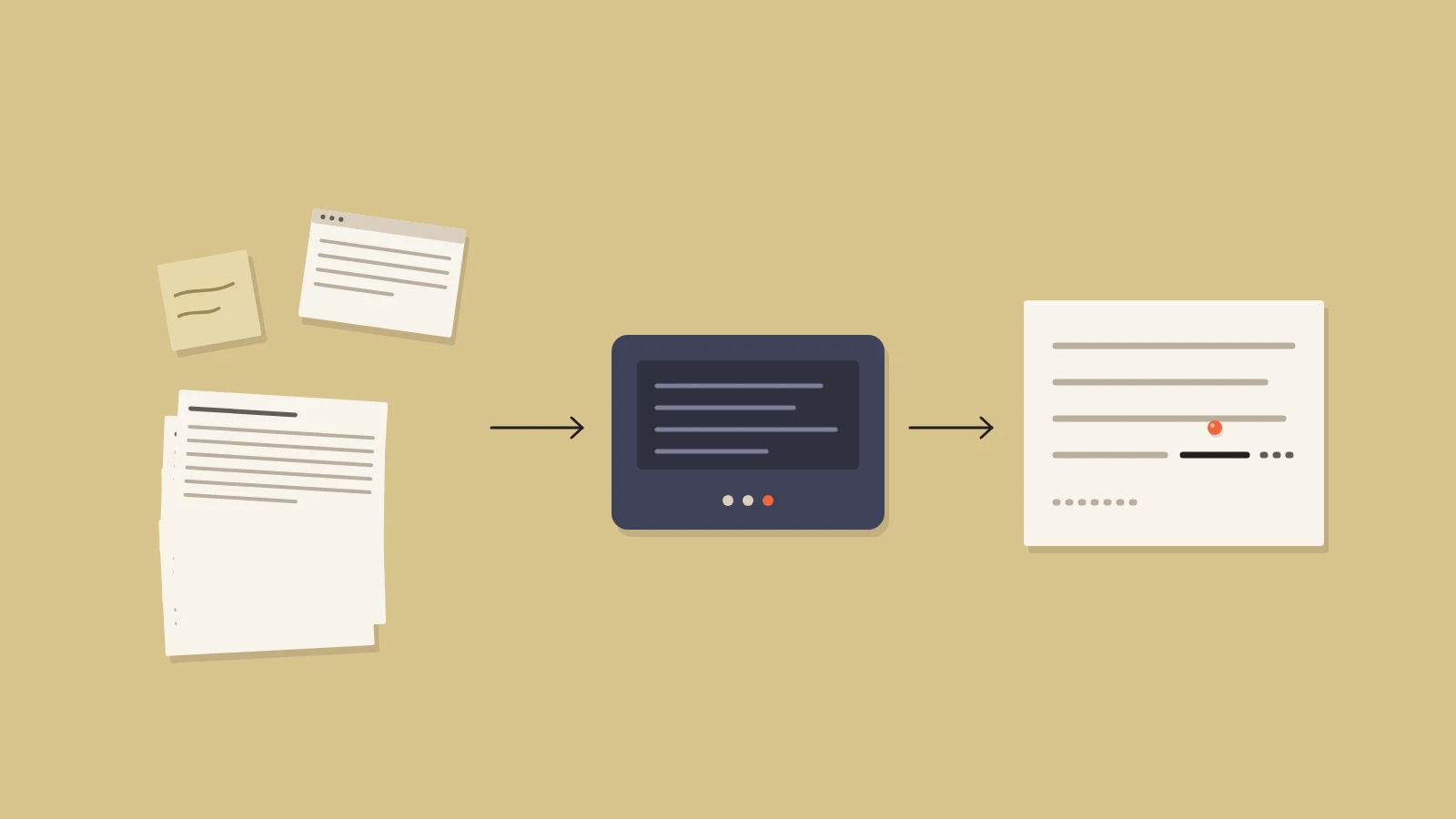
You've probably used ChatGPT, Claude or Gemini. Each one is a chat app. Inside each app is an AI model, and the model is the part that writes. Knowing what it actually does changes how you use it.
It predicts the next piece of text
An AI model writes a reply one small piece at a time. At each step it picks a likely next piece, based on everything before it: your question, the conversation so far, and the patterns it learned in training. Then it does it again, and again, until the reply is done.
It learned those patterns from a huge amount of text, up to a date called the knowledge cutoff. After that date, it only knows what the app looks up for it, for example with web search.
Why that matters
- It can sound sure and still be wrong. A likely-sounding sentence isn't always a true one. Sometimes a model invents a fact, a quote or a link that looks real. People call this a hallucination.
- It only knows what you tell it. It can't guess your situation, your budget or who your customers are. Say them, or it fills the gaps with guesses.
- It's stronger at some jobs than others. Ideas, drafts and summaries play to its strengths. Exact facts, numbers and recent events need checking.
The model and the app are different things
The chat app wraps the model with extras, like web search, file uploads and memory of past chats. When an app looks something up for you, the model writes its answer from the pages it found. That's one reason the same question can get different answers in different apps.
How to use it well
Treat the AI as a fast, eager helper, and stay the one who decides. Give it the facts about your situation. Ask where a claim came from. Before you rely on anything that matters, check it in a source you trust.
Lesson 1.1 of Zero to One with AI, AI basics, draws all of this as one diagram: what goes in, what the model does, where it goes wrong and where you come in.